

Introduction
Pressure forming is a sophisticated variation of the thermoforming process that allows for the production of plastic parts with intricate details and tight specifications. This technique uses positive air pressure to force the heated plastic sheet against a mold, providing better detail replication than traditional vacuum forming. This article explores the intricacies of pressure forming, its advantages, applications, and the technical considerations involved in optimizing the process.
The Pressure Forming Process
Pressure forming involves several key stages, each crucial for achieving high-quality, detailed plastic parts:
- Material Selection: The choice of material significantly impacts the final product. Common plastics used in pressure forming include Acrylonitrile Butadiene Styrene (ABS), Polycarbonate (PC), and High Impact Polystyrene (HIPS). Each material offers unique properties such as high impact resistance, clarity, and heat resistance.
- Heating the Plastic Sheet: The plastic sheet is clamped and heated to a pliable temperature, allowing it to be formed easily. Uniform heating is crucial to prevent material thinning and deformation.
- Forming with Pressure: Unlike vacuum forming, which relies solely on vacuum to draw the plastic into the mold, pressure forming uses both a vacuum below the sheet and positive air pressure above. This dual force pushes the plastic into the mold with greater precision and detail.
- Cooling and Ejection: After forming, the part needs to be cooled sufficiently while still in the mold to retain its shape and integrity. Once cooled, the part is ejected from the mold.
- Trimming and Finishing: The excess plastic is trimmed, and any necessary post-processing such as painting, drilling, or assembly is completed to prepare the part for its intended use.
Advantages of Pressure Forming
Pressure forming offers several distinct advantages that make it suitable for a variety of applications:
- High Detail and Aesthetic Quality: The additional pressure enables the molding of sharp, crisp details and textures that are difficult to achieve with standard vacuum forming. This is particularly beneficial for visible components where aesthetic appeal is important.
- Material Efficiency: Like other thermoforming processes, pressure forming allows for the use of relatively low-cost tooling and molds, especially compared to injection molding.
- Flexibility in Design: Design adjustments can be made relatively quickly and at lower costs, making it ideal for prototypes and custom designs.
- Reduced Tooling Costs: Although more expensive than vacuum forming, the tooling costs for pressure forming are significantly lower than for injection molding, making it cost-effective for medium-sized production runs.
Applications of Pressure Forming
The precision and quality of pressure forming make it a preferred method in several industries:
- Medical Equipment: Produces housings for medical devices that require clean, precise, and aesthetically appealing surfaces.
- Electronic Enclosures: Ideal for manufacturing detailed enclosures for computers, kiosks, and other electronic devices.
- Automotive Components: Suitable for interior panels, dashboards, and other parts where quality and finish are critical.
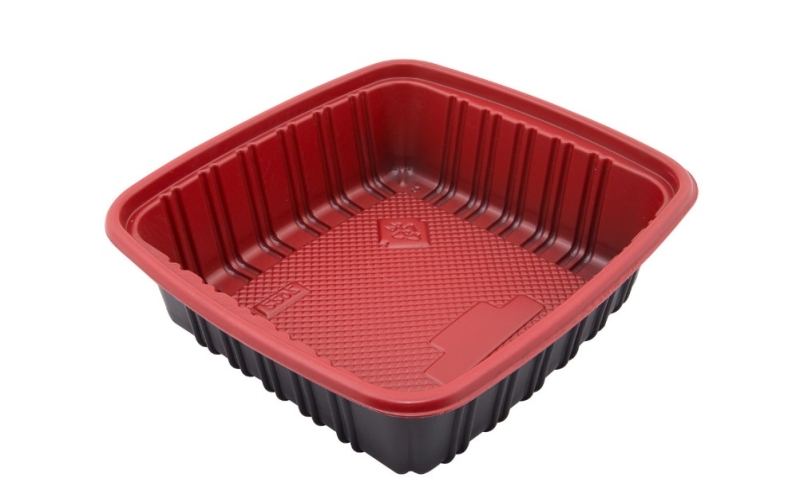
- Food Service Equipment: Used to create trays, covers, and housings that need to meet strict hygiene standards and durability.
Considerations and Challenges
While pressure forming is a powerful manufacturing process, it also presents specific challenges that must be managed effectively:
- Cost Considerations: The cost of pressure forming can be higher than vacuum forming due to the need for more robust tooling and higher operating pressures.
- Design Complexity: Designing for pressure forming requires careful consideration of draft angles, wall thickness, and undercuts, which can complicate the tooling design.
- Material Distribution: Managing material distribution and thickness remains a challenge, especially in designs with deep draws or complex geometries.
Optimizing the Pressure Forming Process
To optimize the pressure forming process, several factors should be considered:
- Tooling Design: Advanced tooling with precise temperature control and durable materials is crucial for achieving high-quality parts.
- Process Parameters: Fine-tuning process parameters such as temperature, pressure levels, and timing can significantly impact the quality and consistency of the final products.
- Material Handling: Proper handling and preparation of materials, including drying and conditioning, are essential to prevent defects.
Conclusion
Pressure forming is an advanced thermoforming technique that offers enhanced detail and precision for producing high-quality plastic parts. With its combination of flexibility, efficiency, and capability to produce complex shapes with fine details, pressure forming is an invaluable process in the manufacturing landscape. As materials and technology continue to advance, the applications and capabilities of pressure forming are expected to expand, providing even greater opportunities for innovation in product design and manufacturing.
