

Introduction
In today’s fast-paced business world, effective communication is vital for successful collaboration and achieving organizational goals. While verbal communication plays a significant role, nonverbal communication in firm interactions is equally crucial. Nonverbal cues, including body language, gestures, facial expressions, and tone of voice, can convey subtle koiusa yet powerful messages that influence how we understand and interact with others.
Understanding and utilizing nonverbal communication in firm interactions can help individuals build rapport, express emotions, convey credibility, and foster trust best real money casino in australia. In this comprehensive guide, we will delve into the intricacies of nonverbal communication, exploring its various aspects and its impact on workplace dynamics.
Nonverbal Communication in Firm Interactions
Nonverbal communication in firm interactions refers to the exchange of information, feelings, and intentions through nonverbal cues between individuals within a professional setting. These cues can significantly impact how messages are interpreted, relationships are formed, and decisions are made. Understanding and effectively utilizing nonverbal communication can have a profound influence on workplace dynamics and professional success.
The Importance of Nonverbal Communication in Firm Interactions
Nonverbal communication plays a critical role in workplace interactions. It complements verbal communication and often provides additional context and meaning to the conveyed message. While words convey the content of a message, nonverbal cues provide insight into emotions, attitudes, sincerity, and credibility. In fact, research suggests that up to 93% of communication is nonverbal, making it a powerful tool for effective communication. detectmind
Nonverbal Cues: The Language of the Body
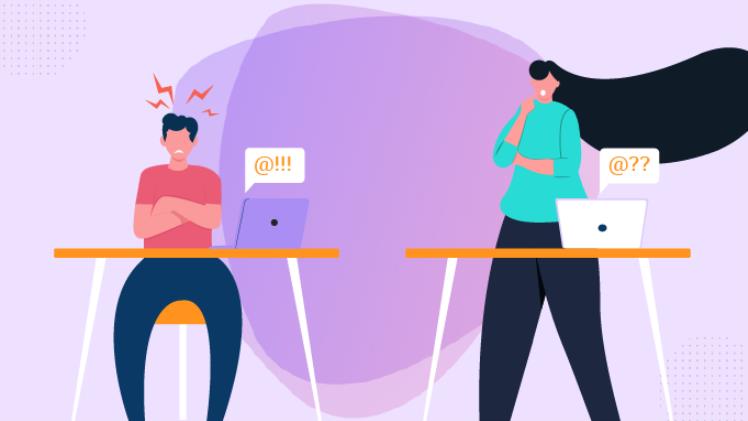
The human body is a powerful instrument of communication. Various nonverbal cues, such as facial expressions, body posture, hand movements, and gestures, can convey a wealth of information. For example, crossed arms may indicate defensiveness or resistance, while open palms can signal openness and receptiveness. Understanding and interpreting these cues accurately can enhance understanding and foster positive interactions.
The Power of Facial Expressions
Facial expressions are a primary means of conveying emotions and intentions. A smile can communicate warmth and friendliness, while a furrowed brow may indicate concern or confusion best payout online casino. It is essential to be mindful of our own facial expressions and to observe and interpret those of others to ensure effective communication and prevent misunderstandings.
The Impact of Tone of Voice
Beyond the words we speak, our tone of voice carries significant meaning. The tone, pitch, volume, and modulation of our voice can convey emotions, intentions, and attitudes. For instance, a warm and enthusiastic tone can enhance engagement and convey passion, while a monotonous tone may create disinterest. Being aware of our tone of voice and using it purposefully can greatly impact how our messages are received.
Gestures: Conveying Meaning Beyond Words
Gestures are powerful tools for nonverbal communication. They can reinforce or clarify verbal messages, convey emotions, and provide emphasis. Pointing, nodding, and hand movements can add depth and clarity to our communication. However, cultural differences must be considered, as gestures may vary in meaning across different regions and cultures.
Proxemics: The Space Between
Proxemics refers to the use of personal space in communication. Different cultures have varying expectations and norms regarding personal space, which can influence comfort levels and interactions. Understanding and respecting these cultural differences can prevent misunderstandings and foster effective communication.
Eye Contact: The Window to Understanding
Eye contact is a crucial nonverbal cue that conveys attentiveness, interest, and sincerity. Maintaining appropriate eye contact demonstrates active listening and engagement. However, it is essential to strike a balance, as excessive or prolonged eye contact may be perceived as aggressive or invasive in certain cultural contexts.
Dressing for Success: Nonverbal Communication in Appearance
Our appearance is an essential aspect of nonverbal communication. It can convey professionalism, authority, and attention to detail. Dressing appropriately for different professional contexts demonstrates respect and consideration for others. Understanding the expectations and norms of your workplace and industry can help you make the right impression through your attire.
Nonverbal Communication and Leadership
Effective leaders recognize the significance of nonverbal communication. They understand that their body language, facial expressions, and gestures influence how their messages are received by their team members. By leveraging nonverbal cues, leaders can inspire, motivate, and create a positive work environment.
Nonverbal Communication and Teamwork
Successful teamwork relies on effective communication. Nonverbal cues play a crucial role in fostering collaboration, trust, and understanding among team members. Awareness of nonverbal signals and the ability to interpret them accurately can enhance teamwork dynamics and lead to more successful outcomes.
Enhancing Customer Relationships through Nonverbal Communication
Nonverbal communication is equally important when interacting with customers and clients. Positive nonverbal cues, such as attentive listening, appropriate body language, and facial expressions, can create a favorable impression and enhance customer satisfaction. Nonverbal communication can contribute to building trust and long-term customer relationships.
Cultural Considerations in Nonverbal Communication
Cultural differences significantly influence nonverbal communication. Gestures, body language, and personal space norms can vary across cultures. It is essential to develop cultural sensitivity and adapt one’s nonverbal communication style accordingly to avoid misunderstandings and build positive cross-cultural relationships.
Nonverbal Communication in Virtual Environments
In the digital age, nonverbal communication extends beyond face-to-face interactions. With the increasing prevalence of remote work and virtual meetings, understanding how to effectively utilize nonverbal cues in virtual environments is crucial. Leveraging tools like video conferencing and being mindful of one’s tone, facial expressions, and body language can bridge the gap and maintain effective communication in remote settings.
Decoding Nonverbal Signals
Decoding nonverbal signals accurately requires observation, attentiveness, and understanding of context. By paying attention to cues such as body language, facial expressions, and tone of voice, individuals can gain insights into others’ thoughts, feelings, and intentions. Developing this skill can lead to improved empathy, communication, and overall interpersonal effectiveness.
The Role of Empathy in Nonverbal Communication
Empathy is closely linked to nonverbal communication. By empathizing with others, we can better understand their emotions and perspectives. Nonverbal cues can provide valuable clues about someone’s emotional state, allowing us to respond with sensitivity and support. Cultivating empathy enhances our ability to connect and communicate effectively with others.
Developing Emotional Intelligence through Nonverbal Communication
Nonverbal communication is an essential component of emotional intelligence. Emotional intelligence encompasses the ability to recognize, understand, and manage our emotions and those of others. By honing our nonverbal communication skills, we can better navigate emotional interactions, build stronger relationships, and create a positive work environment.
Nonverbal Communication in Negotiations
In negotiation scenarios, nonverbal communication can significantly influence outcomes. Understanding and utilizing nonverbal cues effectively can help individuals gauge the other party’s intentions, establish rapport, and create a cooperative atmosphere. Active listening, appropriate body language, and assertive yet respectful gestures can contribute to successful negotiations.
Building Trust through Nonverbal Communication
Trust is the foundation of strong professional relationships. Nonverbal cues play a vital role in building trust as they communicate sincerity, authenticity, and reliability. By aligning verbal and nonverbal messages and demonstrating consistency in our communication, we can establish trust with colleagues, superiors, and clients.
Overcoming Challenges in Nonverbal Communication
Nonverbal communication can pose challenges, particularly in cross-cultural contexts or high-stakes situations. Misinterpretation of cues, unconscious biases, and differing cultural norms can hinder effective communication. Awareness, open-mindedness, and continuous learning are key to overcoming these challenges and fostering inclusive and effective communication.
Enhancing Nonverbal Communication Skills
Improving nonverbal communication skills is a continuous process. By practicing self-awareness, actively observing others, and seeking feedback, individuals can refine their nonverbal cues and become more adept at understanding and conveying messages effectively. Consistent effort and reflection can lead to enhanced communication skills and improved professional relationships.
Frequently Asked Questions (FAQs)
Q: How can I improve my nonverbal communication skills?
A: Improving your nonverbal communication skills involves self-awareness, observation, and practice. Pay attention to your body language, facial expressions, and tone of voice. Observe others and learn from their nonverbal cues. Seek feedback from trusted colleagues or mentors to identify areas for improvement. Practice in various professional contexts to refine your skills over time.
Q: What are some common nonverbal cues that convey confidence?
A: Nonverbal cues that convey confidence include maintaining eye contact, having an upright posture, using assertive gestures, and speaking with a clear and steady tone of voice. These cues can help create a positive impression and project confidence in professional interactions.
Q: How does culture influence nonverbal communication?
A: Culture significantly influences nonverbal communication. Gestures, body language, and personal space norms can vary across cultures. What may be considered appropriate or polite in one culture may be interpreted differently in another. It is crucial to develop cultural sensitivity and adapt one’s nonverbal communication style accordingly to foster effective cross-cultural communication.
Q: Can nonverbal communication be misinterpreted?
A: Yes, nonverbal communication can be misinterpreted. Different individuals may interpret nonverbal cues differently based on their personal experiences, cultural background, or biases. It is essential to be aware of this possibility and clarify any misunderstandings that may arise by engaging in open and honest communication.
Q: How does nonverbal communication impact leadership?
A: Nonverbal communication plays a significant role in leadership. Leaders who demonstrate positive nonverbal cues, such as active listening, open body language, and genuine facial expressions, can inspire trust, motivate their team, and create a positive work environment. By aligning verbal and nonverbal messages, leaders can effectively convey their vision and values to their team members.
Q: Can nonverbal communication be learned and improved upon?
A: Absolutely! Nonverbal communication is a skill that can be learned, refined, and improved upon with practice and self-awareness. By studying and understanding different nonverbal cues, observing others, seeking feedback, and reflecting on one’s own communication style, individuals can enhance their nonverbal communication skills and become more effective communicators.
Conclusion
Nonverbal communication is a powerful tool that significantly influences firm interactions. Understanding and utilizing nonverbal cues can help individuals build rapport, express emotions, convey credibility, and foster trust in professional settings. By paying attention to nonverbal cues and continuously honing our nonverbal communication skills, we can enhance our professional relationships, contribute to organizational success, and create a positive and collaborative work environment.
